Knee replacement surgery has evolved dramatically with the introduction of advanced robotic-assisted technology. This innovation is improving patient outcomes by enhancing surgical precision, minimizing tissue damage, and supporting faster recovery. As more patients explore modern treatment options, a common question arises: How Does Robotic Knee Replacement Surgery Work?
Understanding How Does Robotic Knee Replacement Surgery Work step by step helps patients feel more confident about the procedure, its technology, and the benefits it offers compared to traditional knee replacement methods. Let’s take a closer look at how this advanced surgical approach works.
What Is Robotic Knee Replacement Surgery?
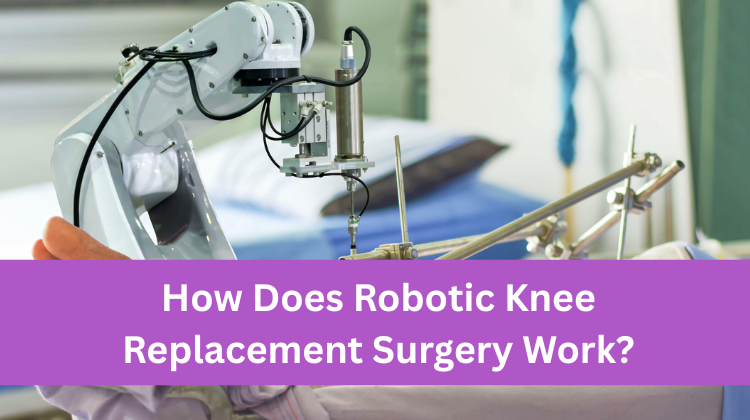
Robotic knee replacement is a modern surgical technique where advanced robotic systems assist surgeons in performing knee replacement procedures. Contrary to popular belief, the robot does not perform the surgery independently. Instead, it acts as a highly precise tool that helps the surgeon plan, guide, and execute the surgery with greater accuracy than traditional methods.
Step 1: Detailed Pre-Surgical Planning
The process begins with 3D imaging and digital scans of the patient’s knee joint. These images help create a virtual model of the knee, allowing the surgical team to evaluate the extent of damage caused by arthritis or injury. The surgeon uses this data to plan exactly how much bone to remove, what size implant to use, and the perfect alignment for long-lasting results.
Step 2: Intraoperative Guidance
During surgery, the robotic system provides real-time feedback. Sensors and cameras track the surgeon’s movements and ensure that the cutting tools remain within the predefined boundaries. This level of control minimizes the risk of errors and ensures the artificial joint fits as naturally as possible.
Step 3: Precision in Implant Placement
One of the biggest advantages of robotic knee replacement is the accuracy of implant positioning. Even a small misalignment in traditional surgery can cause uneven wear and reduced implant life. Robotic assistance ensures implants are placed with exact precision, improving both functionality and longevity.
Step 4: Personalized Surgery
Every patient’s knee anatomy is unique, and robotic surgery allows for a personalized approach. The technology adjusts to the individual’s bone structure, ligament balance, and range of motion, leading to more natural movement after recovery.
Step 5: Faster Recovery and Better Outcomes
Because robotic surgery is minimally invasive and highly accurate, patients often experience:
- Less post-surgery pain
- Reduced blood loss
- Smaller incisions and scars
- Quicker return to normal activities
- Long-lasting knee implant performance
Why Choose Robotic Knee Replacement?
Robotic knee replacement combines the expertise of a skilled surgeon with cutting-edge technology. It enhances surgical precision, reduces risks, and improves long-term outcomes for patients suffering from severe arthritis, joint damage, or chronic knee pain.
Personalized Planning for Better Surgical Outcomes
One of the biggest advantages of advanced robotic systems is personalized surgical planning. Every knee joint is unique in terms of alignment, ligament balance, and degree of cartilage damage. Robotic technology allows surgeons to create a highly detailed 3D model of the patient’s knee before the procedure begins.
Understanding How Does Robotic Knee Replacement Surgery Work starts with this customization process. Instead of relying on standard measurements, the robotic system helps design a plan tailored specifically to the patient’s anatomy. This personalized approach improves implant positioning, enhances joint balance, and supports long-term function.
When performed by Dr. Hemant Sharma, regarded as one of the best orthopedic surgeons in Gurgaon, this technology ensures precision combined with expert surgical judgment for optimal outcomes.
Real-Time Accuracy During the Procedure
A key part of understanding How Does Robotic Knee Replacement Surgery Work is recognizing the importance of real-time guidance. During surgery, the robotic system provides continuous feedback to the surgeon. It tracks the movement of surgical instruments and ensures that bone preparation and implant placement match the pre-planned blueprint.
This advanced accuracy reduces the margin of error and enhances alignment. Proper alignment is critical because even small deviations can affect knee mechanics, leading to discomfort or premature implant wear. Robotic assistance ensures that every cut and placement is executed with exceptional precision.
Improved Joint Balance and Natural Movement
Robotic knee replacement focuses not only on replacing damaged surfaces but also on achieving correct soft tissue balance. Balanced ligaments allow the artificial knee to move more naturally.
When exploring How Does Robotic Knee Replacement Surgery Work, it becomes clear that ligament balancing is a major advantage. The robotic system allows surgeons to test knee movement during surgery and make real-time adjustments for better flexibility and stability. This contributes to:
- Smoother bending and straightening
- Reduced stiffness
- Improved confidence while walking
- More natural joint movement
Patients often report that the knee feels more stable and aligned after robotic-assisted surgery.
Faster Rehabilitation and Early Mobility
Another reason patients search for How Does Robotic Knee Replacement Surgery Work is to understand recovery benefits. Because robotic systems enhance precision and minimize unnecessary soft tissue damage, patients may experience:
- Less postoperative pain
- Reduced swelling
- Lower blood loss
- Earlier weight-bearing ability
With proper physiotherapy and guided rehabilitation, many patients regain mobility faster and return to daily activities with greater comfort.
Long-Term Durability and Implant Longevity
One of the primary goals of knee replacement surgery is long-term durability. Precise implant positioning reduces uneven pressure across the artificial joint, decreasing wear over time. When alignment and balance are accurate, the implant is more likely to last longer.
Understanding How Does Robotic Knee Replacement Surgery Work highlights why many patients choose this advanced method — better precision today can mean fewer complications tomorrow. This reduces the chances of revision surgery and supports long-term joint performance.
Combining Surgical Expertise with Robotic Innovation
It is important to understand that robotic systems do not replace the surgeon. Instead, they enhance the surgeon’s control and decision-making ability. The robot acts as an advanced tool, while the surgeon performs and supervises every step.
With extensive experience in joint replacement procedures, Dr. Hemant Sharma, one of the best orthopedic surgeons in Gurgaon, integrates advanced robotic technology with clinical expertise to deliver safe, effective, and patient-focused care.
Final Thoughts
Robotic knee replacement surgery is not just a medical advancement — it’s a step towards personalized and patient-centered healthcare. By integrating advanced imaging, real-time guidance, and precision tools, this approach is setting new standards for joint replacement success.
This Blog can be helpful if you are looking for
robotic knee replacement surgery benefits | robotic assisted knee replacement procedure | robotic knee surgery accuracy | robotic knee replacement recovery time | robotic knee replacement advantages | robotic knee replacement technology | computer assisted knee replacement | robotic knee replacement success rate | robotic joint replacement surgery | robotic knee replacement procedure steps | robotic knee replacement vs traditional | robotic knee surgery recovery | robotic knee implant placement | robotic orthopedic surgery benefits |
robotic knee surgery precision | robotic knee replacement treatment | robotic knee replacement safety | robotic knee replacement outcomes | robotic knee replacement rehabilitation | robotic knee replacement cost india | robotic knee replacement specialist | robotic knee replacement hospital gurgaon | robotic knee replacement surgeon gurgaon | advanced knee replacement technology | robotic knee replacement patient benefits | robotic knee replacement long term results | robotic knee replacement recovery benefits | robotic knee replacement orthopedic surgeon | robotic knee replacement arthritis treatment | robotic knee replacement mobility improvement
1. How does robotic knee replacement surgery work step by step for better accuracy?
Robotic knee replacement surgery works by using advanced robotic technology and 3D imaging to create a precise surgical plan before the procedure begins. The robotic system helps the orthopedic surgeon remove damaged bone and cartilage with high accuracy and position the artificial knee implant correctly. This robotic-assisted knee replacement improves alignment, reduces tissue damage, and enhances implant longevity. Patients benefit from faster recovery, less pain, and better joint function compared to traditional knee replacement surgery.
2. Is robotic-assisted knee replacement surgery more precise than traditional knee replacement?
Yes, robotic-assisted knee replacement surgery is more precise because it uses real-time data and robotic guidance to help the surgeon perform accurate bone cuts and implant placement. This precision reduces the risk of implant misalignment, improves knee stability, and increases implant durability. Robotic knee replacement also minimizes damage to surrounding tissues, leading to quicker recovery and better long-term results compared to conventional knee replacement methods.
3. What technology is used in robotic knee replacement surgery for joint replacement accuracy?
Robotic knee replacement surgery uses computer-assisted technology, robotic arms, and 3D mapping to guide the surgeon throughout the procedure. The system provides detailed visuals of the knee joint, allowing precise implant positioning and improved surgical control. This advanced knee replacement technology enhances safety, reduces surgical errors, and improves overall patient outcomes. Many patients choose robotic-assisted surgery for its accuracy and improved long-term joint performance.
4. How does robotic knee replacement surgery improve recovery and reduce complications?
Robotic knee replacement surgery improves recovery by minimizing soft tissue damage and ensuring accurate implant placement. This reduces post-surgical pain, swelling, and recovery time. Patients often experience faster rehabilitation, improved mobility, and better knee function. Experts like Dr. Hemant Sharma in Gurgaon use robotic-assisted knee replacement techniques to enhance surgical precision and ensure safer, more effective outcomes for patients.
5. Who is the ideal candidate for robotic knee replacement surgery and how does it help them?
The ideal candidate for robotic knee replacement surgery includes patients with severe knee arthritis, chronic knee pain, and limited mobility who have not responded to non-surgical treatments. Robotic-assisted surgery helps these patients by improving implant accuracy, restoring joint function, and reducing recovery time. This advanced knee replacement procedure allows patients to regain mobility, reduce pain, and return to daily activities with improved knee stability and comfort.