Dr. Hemant Sharma
FRCS (England) MRCS (England) DNB
Specialist in Revision Lower Limb ArthroPlasty
Complex Hip, Knee and Sports Injury

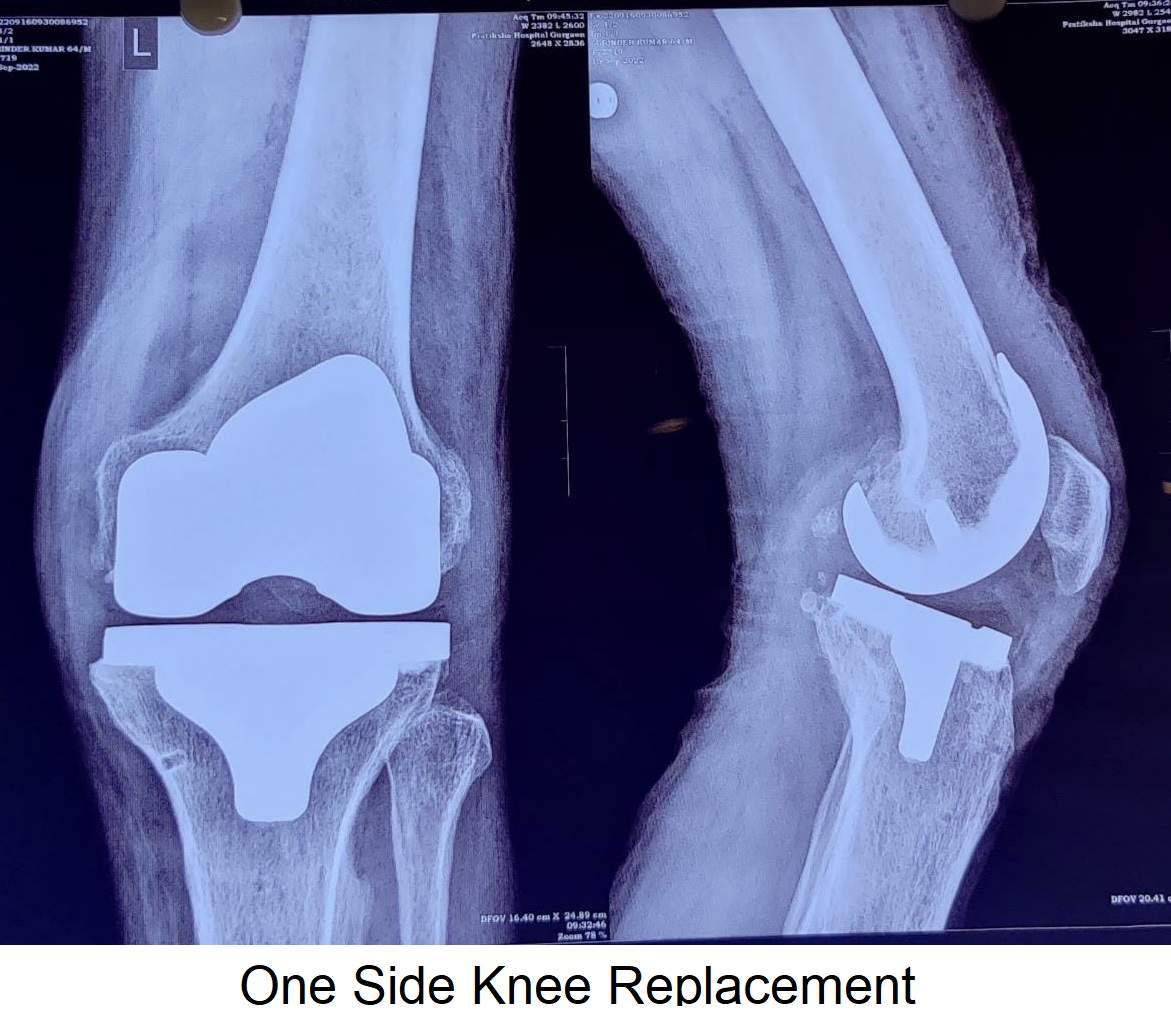
Joint replacement surgery is commonly performed these days. When they seek medical advice, they have damage to both knee joints. The patients request both knee replacement surgery at the same time. Joint Replacement Surgeon in Gurgaon have certain criteria to decide if the patient is fit to have both sides joint replacement at the same time or not.
Two sides Knee Replacement
Bilateral Total Knee Arthroplasty Should Remain the Exception and Not the Rule.
The bilateral procedures had a significantly higher rate of complications than unilateral procedures, almost entirely because of thromboembolic problems. The studies have shown Bilateral TKA had an increased risk for all complication when compared with unilateral TKA regardless of health status. For all complications, there was a greater than threefold increase for the first quartile in healthiest patient. A greater than fourfold increase for the second and third quartiles, and a greater than threefold increase for the fourth quartile (least healthy patients. Therefore, we recommend simultaneous bilateral knee arthroplasty only for patients in ASA classes 1 and 2.
Joint Replacement Surgery is recommended for patients who suffer from severe joint pain, stiffness, and limited mobility that does not improve with medications, physiotherapy, or lifestyle changes. Common conditions that may require Joint Replacement Surgery include advanced osteoarthritis, rheumatoid arthritis, joint deformities, and injury-related joint damage. Patients who experience difficulty in performing daily activities such as walking, climbing stairs, or standing for extended periods may benefit from this procedure. Early orthopedic consultation helps determine the right time for surgery and ensures better outcomes and faster recovery.
I would like to share when bilateral knee replacements should not be considered.
Advancements in orthopedic technology have made Joint Replacement Surgery safer and more effective than ever before. Minimally invasive surgical techniques allow smaller incisions, less tissue damage, and faster healing. Robotic-assisted surgery and computer-guided implant placement improve surgical precision and ensure better joint alignment. These modern techniques help improve implant longevity, reduce complications, and enhance overall joint function. With improved surgical methods, patients can achieve long-term pain relief and restored mobility.
Rehabilitation plays a crucial role in the success of Joint Replacement Surgery. Physiotherapy helps strengthen muscles, improve joint flexibility, and restore normal movement. Early mobilization after surgery reduces the risk of complications such as stiffness and blood clots. A structured rehabilitation program enables patients to regain independence and return to normal activities safely. Following medical advice and performing recommended exercises regularly ensures optimal recovery and long-term joint function.
Joint Replacement Surgery offers significant benefits for patients suffering from chronic joint conditions. The procedure helps relieve pain, correct joint deformity, and restore smooth joint movement. Patients often experience improved mobility, allowing them to perform daily tasks more comfortably. Joint Replacement Surgery also improves overall quality of life by enhancing physical activity levels and reducing dependence on pain medications. With proper care and rehabilitation, joint implants can provide long-lasting results and improved joint performance.
The success of Joint Replacement Surgery depends largely on the experience and expertise of the orthopedic surgeon. Proper diagnosis, surgical planning, and post-operative care are essential for achieving the best results. Dr. Hemant Sharma, FRCS (England), MRCS (England), DNB, is a specialist in revision lower limb arthroplasty, complex hip and knee procedures, and sports injury treatment. He is widely regarded as one of the best orthopedics for sports injury in Gurgaon, offering advanced joint replacement procedures with a patient-focused approach. His expertise helps ensure accurate treatment, faster recovery, and improved long-term joint health. Connect with Dr. Hemant Sharma, best orthopeadics in gurgoan for more information on joint replacement surgery.
Joint Replacement Surgery is a procedure in which damaged joint surfaces are replaced with artificial implants to relieve pain and restore mobility.
Common joints replaced include the knee, hip, shoulder, and sometimes ankle, depending on the severity of joint damage.
Most patients recover within 6–12 weeks, depending on the joint replaced, rehabilitation, and overall health condition.
Modern implants can last 15–25 years or longer with proper care and regular follow-up.
Yes, Joint Replacement Surgery is considered safe and highly effective when performed by an experienced orthopedic surgeon.