Dr. Hemant Sharma
FRCS (England) MRCS (England) DNB
Specialist in Revision Lower Limb ArthroPlasty
Complex Hip, Knee and Sports Injury

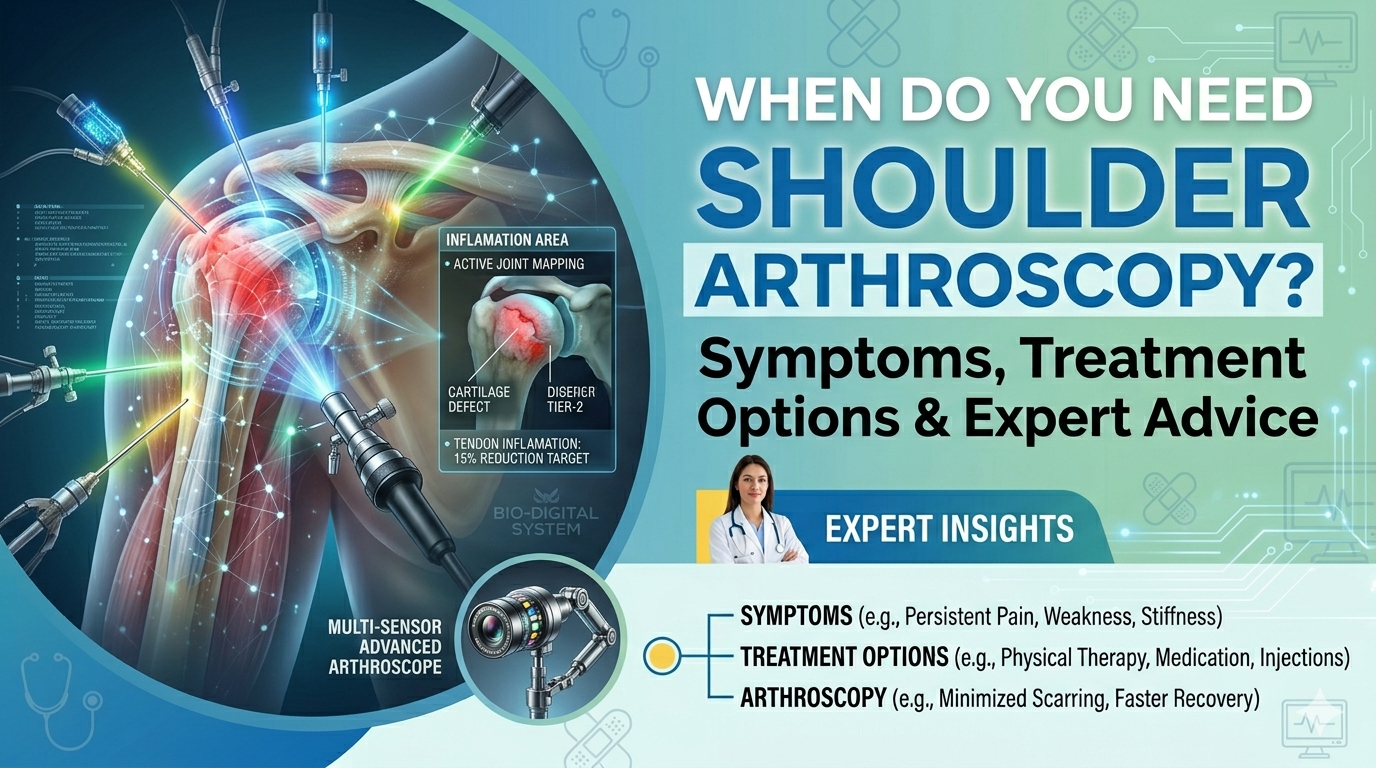
Shoulder arthroscopy is a minimally invasive surgical procedure used to diagnose and treat various shoulder conditions. If you’re experiencing persistent shoulder pain or limited mobility, shoulder arthroscopy may be the right solution. This advanced technique allows orthopedic specialists to treat shoulder problems with smaller incisions, faster recovery, and minimal complications.
Shoulder arthroscopy is a modern surgical procedure where a small camera (arthroscope) is inserted into the shoulder joint. This helps doctors clearly view the internal structures and treat issues without open surgery.
This procedure is commonly recommended for:
Compared to traditional surgery, shoulder arthroscopy ensures less pain, reduced scarring, and quicker recovery.
Recognizing the symptoms early can help prevent severe damage. You may need shoulder arthroscopy if you experience:
Shoulder arthroscopy is highly effective in treating multiple shoulder problems, including:
Tears in the rotator cuff muscles are one of the most common reasons for shoulder arthroscopy.
This condition causes stiffness and pain, which can be relieved through shoulder arthroscopy.
When tendons rub against bone, causing pain, shoulder arthroscopy can help create space and reduce inflammation.
Damage to the cartilage ring in the shoulder joint is effectively treated with shoulder arthroscopy.
Before recommending shoulder arthroscopy, doctors usually suggest non-surgical treatments such as:
Choosing shoulder arthroscopy offers several advantages:
These benefits make shoulder arthroscopy a preferred choice among patients and orthopedic surgeons.
Recovery from shoulder arthroscopy depends on the severity of the condition. Typically:
If you are experiencing ongoing shoulder discomfort, it’s essential to consult an expert. Early diagnosis can prevent complications and ensure better outcomes with shoulder arthroscopy.
For patients in Gurgaon, Dr. Hemant Sharma is known as one of the best orthopedic surgeon specialists in Gurgaon . With extensive experience in performing shoulder arthroscopy, he provides personalized treatment plans and advanced care.
Shoulder arthroscopy is a safe and effective solution for treating various shoulder problems. If you are dealing with chronic pain, stiffness, or limited mobility, this procedure can help restore function and improve your quality of life.
Consulting an experienced orthopedic specialist ensures accurate diagnosis and the best treatment approach. Don’t ignore persistent shoulder pain—early intervention with shoulder arthroscopy can make all the difference.
Here are 20 high-search, relevant secondary keywords for your page on shoulder arthroscopy, based on commonly searched medical terms, patient queries, and trending topics like rotator cuff injuries, instability, and recovery
Shoulder arthroscopy surgery is a modern minimally invasive shoulder surgery used for effective shoulder pain treatment, especially in conditions like rotator cuff tear treatment, shoulder impingement treatment, and frozen shoulder treatment. Patients suffering from shoulder joint pain causes such as shoulder ligament tear treatment, labral tear shoulder surgery, or shoulder instability treatment often benefit from arthroscopic shoulder surgery instead of traditional shoulder joint surgery.
When comparing arthroscopy vs open surgery shoulder, arthroscopy offers faster shoulder arthroscopy recovery time and fewer complications. However, understanding shoulder surgery risks and complications, shoulder arthroscopy cost, and proper post shoulder arthroscopy rehabilitation is crucial. Consulting the best doctor for shoulder arthroscopy ensures optimal results along with proper shoulder surgery recovery tips and long-term healing after shoulder injury treatment.
1. When is shoulder arthroscopy recommended?
Shoulder arthroscopy is recommended when persistent shoulder pain or injury does not improve with non-surgical treatments like medication, rest, or physiotherapy. It is often used to diagnose and treat conditions such as rotator cuff tears, labral injuries, and shoulder instability.
2. What symptoms indicate the need for shoulder arthroscopy?
Common symptoms include chronic shoulder pain, stiffness, reduced range of motion, weakness, clicking or popping sounds, and difficulty performing daily activities. If these symptoms persist, your doctor may suggest shoulder arthroscopy.
3. Is shoulder arthroscopy a major surgery?
No, shoulder arthroscopy is a minimally invasive procedure performed using small incisions and a camera (arthroscope). It usually results in less pain, fewer complications, and faster recovery compared to open surgery.
4. How long does it take to recover from shoulder arthroscopy?
Initial recovery may take 1–2 weeks, but full recovery, including regaining strength and mobility, can take 3–6 months, depending on the condition and rehabilitation process.
5. What conditions can be treated with shoulder arthroscopy?
Shoulder arthroscopy can treat rotator cuff tears, frozen shoulder, labral tears, shoulder impingement, arthritis, and recurrent dislocations, helping restore function and reduce pain.
#ShoulderArthroscopy #ShoulderPainRelief #OrthopedicCare #ShoulderSurgery #RotatorCuffInjury #ArthroscopyTreatment #ShoulderInjury #JointHealth #SportsInjuryRecovery #MinimallyInvasiveSurgery #ShoulderTreatment #PhysiotherapyRecovery #OrthopedicSurgeon #ShoulderHealth #PainFreeMovement